unified cloud storage, AI file search, secure cloud vault, Google Drive aggregator, OneDrive manager, Dropbox search AI, decentralized data vault, KeepCloud Nebula, AstraClaw AI intelligence, zero-trust cloud storage, encrypted file sharing, cloud file organization, multi-cloud dashboard, fast cloud sync, secure file preview, binary cloud management, terabyte file search, cloud data defense, private cloud workspace, AstraClaw RAG technology, best cloud manager, best google drive manager, best onedrive manager, best dropbox manager, best cloud vault, best google drive vault, best onedrive vault, best dropbox vault, best cloud explorer, best google drive explorer, best onedrive explorer, best dropbox explorer, best cloud dashboard, best google drive dashboard, best onedrive dashboard, best dropbox dashboard, best cloud sync, best google drive sync, best onedrive sync, best dropbox sync, best cloud search, best google drive search, best onedrive search, best dropbox search, best cloud sharing, best google drive sharing, best onedrive sharing, best dropbox sharing, best cloud backup, best google drive backup, best onedrive backup, best dropbox backup, best cloud collaboration, best google drive collaboration, best onedrive collaboration, best dropbox collaboration, secure cloud manager, secure google drive manager, secure onedrive manager, secure dropbox manager, secure cloud vault, secure google drive vault, secure onedrive vault, secure dropbox vault, secure cloud explorer, secure google drive explorer, secure onedrive explorer, secure dropbox explorer, secure cloud dashboard, secure google drive dashboard, secure onedrive dashboard, secure dropbox dashboard, secure cloud sync, secure google drive sync, secure onedrive sync, secure dropbox sync, secure cloud search, secure google drive search, secure onedrive search, secure dropbox search, secure cloud sharing, secure google drive sharing, secure onedrive sharing, secure dropbox sharing, secure cloud backup, secure google drive backup, secure onedrive backup, secure dropbox backup, secure cloud collaboration, secure google drive collaboration, secure onedrive collaboration, secure dropbox collaboration, fast cloud manager, fast google drive manager, fast onedrive manager, fast dropbox manager, fast cloud vault, fast google drive vault, fast onedrive vault, fast dropbox vault, fast cloud explorer, fast google drive explorer, fast onedrive explorer, fast dropbox explorer, fast cloud dashboard, fast google drive dashboard, fast onedrive dashboard, fast dropbox dashboard, fast cloud sync, fast google drive sync, fast onedrive sync, fast dropbox sync, fast cloud search, fast google drive search, fast onedrive search, fast dropbox search, fast cloud sharing, fast google drive sharing, fast onedrive sharing, fast dropbox sharing, fast cloud backup, fast google drive backup, fast onedrive backup, fast dropbox backup, fast cloud collaboration, fast google drive collaboration, fast onedrive collaboration, fast dropbox collaboration, enterprise cloud manager, enterprise google drive manager, enterprise onedrive manager, enterprise dropbox manager, enterprise cloud vault, enterprise google drive vault, enterprise onedrive vault, enterprise dropbox vault, enterprise cloud explorer, enterprise google drive explorer, enterprise onedrive explorer, enterprise dropbox explorer, enterprise cloud dashboard, enterprise google drive dashboard, enterprise onedrive dashboard, enterprise dropbox dashboard, enterprise cloud sync, enterprise google drive sync, enterprise onedrive sync, enterprise dropbox sync, enterprise cloud search, enterprise google drive search, enterprise onedrive search, enterprise dropbox search, enterprise cloud sharing, enterprise google drive sharing, enterprise onedrive sharing, enterprise dropbox sharing, enterprise cloud backup, enterprise google drive backup, enterprise onedrive backup, enterprise dropbox backup, enterprise cloud collaboration, enterprise google drive collaboration, enterprise onedrive collaboration, enterprise dropbox collaboration, unlimited cloud manager, unlimited google drive manager, unlimited onedrive manager, unlimited dropbox manager, unlimited cloud vault, unlimited google drive vault, unlimited onedrive vault, unlimited dropbox vault, unlimited cloud explorer, unlimited google drive explorer, unlimited onedrive explorer, unlimited dropbox explorer, unlimited cloud dashboard, unlimited google drive dashboard, unlimited onedrive dashboard, unlimited dropbox dashboard, unlimited cloud sync, unlimited google drive sync, unlimited onedrive sync, unlimited dropbox sync, unlimited cloud search, unlimited google drive search, unlimited onedrive search, unlimited dropbox search, unlimited cloud sharing, unlimited google drive sharing, unlimited onedrive sharing, unlimited dropbox sharing, unlimited cloud backup, unlimited google drive backup, unlimited onedrive backup, unlimited dropbox backup, unlimited cloud collaboration, unlimited google drive collaboration, unlimited onedrive collaboration, unlimited dropbox collaboration, free cloud manager, free google drive manager, free onedrive manager, free dropbox manager, free cloud vault, free google drive vault, free onedrive vault, free dropbox vault, free cloud explorer, free google drive explorer, free onedrive explorer, free dropbox explorer, free cloud dashboard, free google drive dashboard, free onedrive dashboard, free dropbox dashboard, free cloud sync, free google drive sync, free onedrive sync, free dropbox sync, free cloud search, free google drive search, free onedrive search, free dropbox search, free cloud sharing, free google drive sharing, free onedrive sharing, free dropbox sharing, free cloud backup, free google drive backup, free onedrive backup, free dropbox backup, free cloud collaboration, free google drive collaboration, free onedrive collaboration, free dropbox collaboration, pro cloud manager, pro google drive manager, pro onedrive manager, pro dropbox manager, pro cloud vault, pro google drive vault, pro onedrive vault, pro dropbox vault, pro cloud explorer, pro google drive explorer, pro onedrive explorer, pro dropbox explorer, pro cloud dashboard, pro google drive dashboard, pro onedrive dashboard, pro dropbox dashboard, pro cloud sync, pro google drive sync, pro onedrive sync, pro dropbox sync, pro cloud search, pro google drive search, pro onedrive search, pro dropbox search, pro cloud sharing, pro google drive sharing, pro onedrive sharing, pro dropbox sharing, pro cloud backup, pro google drive backup, pro onedrive backup, pro dropbox backup, pro cloud collaboration, pro google drive collaboration, pro onedrive collaboration, pro dropbox collaboration, unified cloud manager, unified google drive manager, unified onedrive manager, unified dropbox manager, unified cloud vault, unified google drive vault, unified onedrive vault, unified dropbox vault, unified cloud explorer, unified google drive explorer, unified onedrive explorer, unified dropbox explorer, unified cloud dashboard, unified google drive dashboard, unified onedrive dashboard, unified dropbox dashboard, unified cloud sync, unified google drive sync, unified onedrive sync, unified dropbox sync, unified cloud search, unified google drive search, unified onedrive search, unified dropbox search, unified cloud sharing, unified google drive sharing, unified onedrive sharing, unified dropbox sharing, unified cloud backup, unified google drive backup, unified onedrive backup, unified dropbox backup, unified cloud collaboration, unified google drive collaboration, unified onedrive collaboration, unified dropbox collaboration, intelligent cloud manager, intelligent google drive manager, intelligent onedrive manager, intelligent dropbox manager, intelligent cloud vault, intelligent google drive vault, intelligent onedrive vault, intelligent dropbox vault, intelligent cloud explorer, intelligent google drive explorer, intelligent onedrive explorer, intelligent dropbox explorer, intelligent cloud dashboard, intelligent google drive dashboard, intelligent onedrive dashboard, intelligent dropbox dashboard, intelligent cloud sync, intelligent google drive sync, intelligent onedrive sync, intelligent dropbox sync, intelligent cloud search, intelligent google drive search, intelligent onedrive search, intelligent dropbox search, intelligent cloud sharing, intelligent google drive sharing, intelligent onedrive sharing, intelligent dropbox sharing, intelligent cloud backup, intelligent google drive backup, intelligent onedrive backup, intelligent dropbox backup, intelligent cloud collaboration, intelligent google drive collaboration, intelligent onedrive collaboration, intelligent dropbox collaboration, smart cloud manager, smart google drive manager, smart onedrive manager, smart dropbox manager, smart cloud vault, smart google drive vault, smart onedrive vault, smart dropbox vault, smart cloud explorer, smart google drive explorer, smart onedrive explorer, smart dropbox explorer, smart cloud dashboard, smart google drive dashboard, smart onedrive dashboard, smart dropbox dashboard, smart cloud sync, smart google drive sync, smart onedrive sync, smart dropbox sync, smart cloud search, smart google drive search, smart onedrive search, smart dropbox search, smart cloud sharing, smart google drive sharing, smart onedrive sharing, smart dropbox sharing, smart cloud backup, smart google drive backup, smart onedrive backup, smart dropbox backup, smart cloud collaboration, smart google drive collaboration, smart onedrive collaboration, smart dropbox collaborationkeepcloud unified cloud storage hyper-scale storage synckeepcloud AI file searchkeepcloud secure cloud vaultkeepcloud Google Drive aggregatorkeepcloud OneDrive managerkeepcloud Dropbox search AIkeepcloud decentralized data vaultkeepcloud KeepCloud Nebulakeepcloud AstraClaw AI intelligencekeepcloud zero-trust cloud storagekeepcloud encrypted file sharing hyper-scale storage synckeepcloud cloud file organizationkeepcloud multi-cloud dashboardkeepcloud fast cloud synckeepcloud secure file previewkeepcloud binary cloud managementkeepcloud terabyte file searchkeepcloud cloud data defensekeepcloud private cloud workspacekeepcloud AstraClaw RAG technologykeepcloud best cloud manager hyper-scale storage synckeepcloud best google drive managerkeepcloud best onedrive managerkeepcloud best dropbox managerkeepcloud best cloud vaultkeepcloud best google drive vaultkeepcloud best onedrive vaultkeepcloud best dropbox vaultkeepcloud best cloud explorerkeepcloud best google drive explorerkeepcloud best onedrive explorer hyper-scale storage synckeepcloud best dropbox explorerkeepcloud best cloud dashboardkeepcloud best google drive dashboardkeepcloud best onedrive dashboardkeepcloud best dropbox dashboardkeepcloud best cloud synckeepcloud best google drive synckeepcloud best onedrive synckeepcloud best dropbox synckeepcloud best cloud search hyper-scale storage synckeepcloud best google drive searchkeepcloud best onedrive searchkeepcloud best dropbox searchkeepcloud best cloud sharingkeepcloud best google drive sharingkeepcloud best onedrive sharingkeepcloud best dropbox sharingkeepcloud best cloud backupkeepcloud best google drive backupkeepcloud best onedrive backup hyper-scale storage synckeepcloud best dropbox backupkeepcloud best cloud collaborationkeepcloud best google drive collaborationkeepcloud best onedrive collaborationkeepcloud best dropbox collaborationkeepcloud secure cloud managerkeepcloud secure google drive managerkeepcloud secure onedrive managerkeepcloud secure dropbox managerkeepcloud secure cloud vault hyper-scale storage synckeepcloud secure google drive vaultkeepcloud secure onedrive vaultkeepcloud secure dropbox vaultkeepcloud secure cloud explorerkeepcloud secure google drive explorerkeepcloud secure onedrive explorerkeepcloud secure dropbox explorerkeepcloud secure cloud dashboardkeepcloud secure google drive dashboardkeepcloud secure onedrive dashboard hyper-scale storage synckeepcloud secure dropbox dashboardkeepcloud secure cloud synckeepcloud secure google drive synckeepcloud secure onedrive synckeepcloud secure dropbox synckeepcloud secure cloud searchkeepcloud secure google drive searchkeepcloud secure onedrive searchkeepcloud secure dropbox searchkeepcloud secure cloud sharing hyper-scale storage synckeepcloud secure google drive sharingkeepcloud secure onedrive sharingkeepcloud secure dropbox sharingkeepcloud secure cloud backupkeepcloud secure google drive backupkeepcloud secure onedrive backupkeepcloud secure dropbox backupkeepcloud secure cloud collaborationkeepcloud secure google drive collaborationkeepcloud secure onedrive collaboration hyper-scale storage synckeepcloud secure dropbox collaborationkeepcloud fast cloud managerkeepcloud fast google drive managerkeepcloud fast onedrive managerkeepcloud fast dropbox managerkeepcloud fast cloud vaultkeepcloud fast google drive vaultkeepcloud fast onedrive vaultkeepcloud fast dropbox vault
How AstraClaw AI Reads Inside Your Files: OCR and Semantic Recognition
March 28, 2026
KeepCloud AI Team · AstraClaw AI Research · KeepCloud
11 min read
AstraClaw AI · KeepCloud Engineering
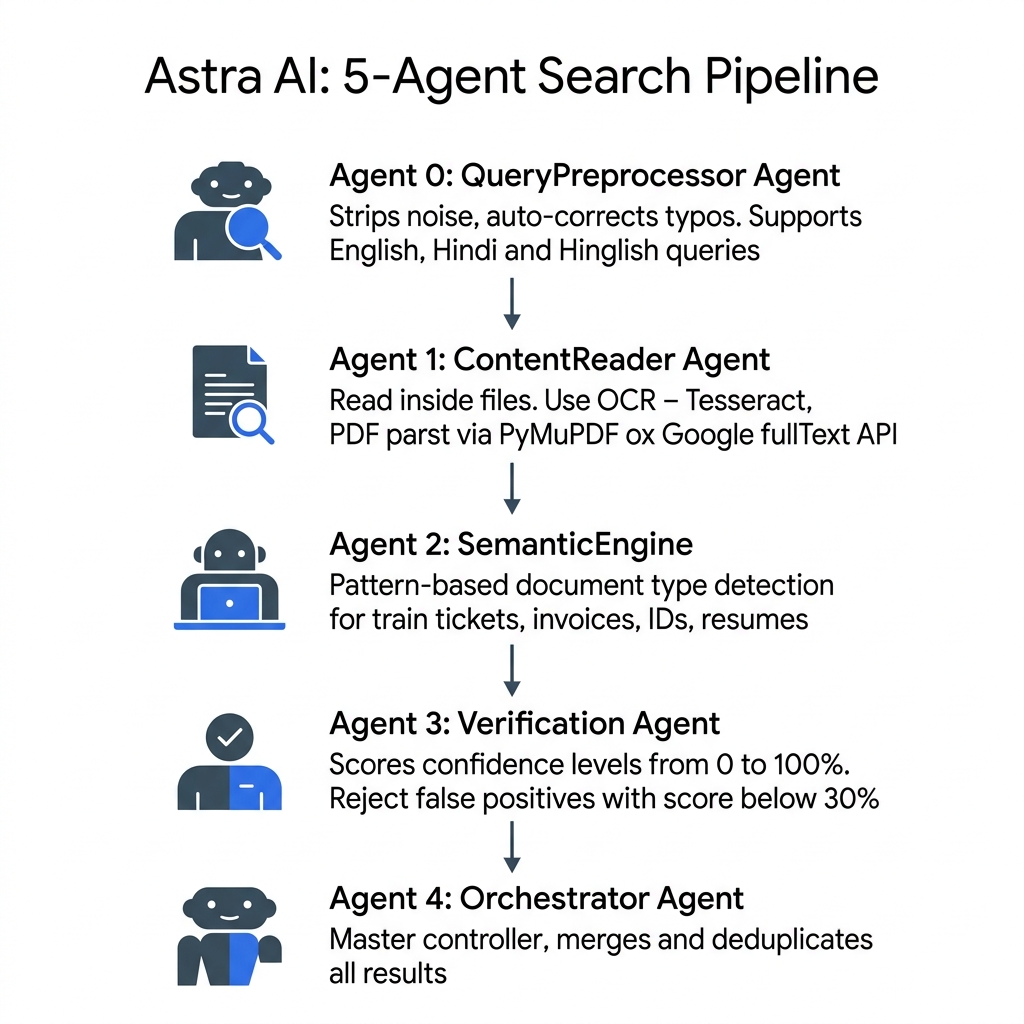
AstraClaw AI's OCR engine extracts searchable text from images, PDFs, and office documents using a multi-variant preprocessing pipeline, then classifies each document into one of 15 types and extracts named entities — enabling search by meaning, not just filename.
The most powerful capability AstraClaw AI offers — searching inside your files — depends on two foundational components working together: an OCR engine that extracts text from any file format, and a semantic engine that understands what that text means and what kind of document it came from.
The OCR engine: reading every format
OCR (Optical Character Recognition) is the process of extracting machine-readable text from images and scanned documents. Astra's OCR engine handles six different input types with tailored strategies for each.
PDFs are processed first by extracting any embedded text layer directly — this covers machine-generated PDFs like invoices, statements, and e-tickets, and is fast. When the embedded text is too short to be useful (typical of scanned PDFs), the engine renders each page as a high-resolution image and runs image OCR on it.
Images (JPG, PNG, WEBP, TIFF, and others) go through a five-step preprocessing pipeline before OCR is attempted. The raw image is processed as: original grayscale (baseline), high-contrast grayscale (2× contrast boost to sharpen faint text), sharpened and contrast-boosted (good for printed documents), adaptive binary threshold (particularly effective for handwritten text on textured paper), and inverted (for white text on dark backgrounds). All five variants are run through an OCR engine and the result with the best quality score — measured by the ratio of readable alphanumeric characters — is selected as the final output.
Word documents (.docx) have their text extracted from all paragraphs and all table cells using a dedicated document parser.
PowerPoint files (.pptx) have text extracted from every shape's text frame on every slide.
Excel files (.xlsx) have all non-empty cell values from every worksheet joined and indexed.
Google Drive documents (Docs, Sheets, Slides) are handled using Google's own full-text search API — which leverages Google's internal indexing infrastructure and requires no file download at all. This is both faster and free.
"For your scanned IRCTC ticket saved as 'IMG_0042.jpg', Astra performs: original grayscale → contrast boost → sharpened → adaptive threshold → inverted. The best OCR output wins. Your ticket becomes searchable."
Result caching
OCR is computationally meaningful — running it on every file on every search would be unacceptably slow. Astra caches all extracted text on a per-user, per-file basis, keyed by the file's last modification time. If a file hasn't changed since Astra last processed it, the cached text is used immediately. If the file has been modified, the cache is invalidated and OCR is re-run. This cache-first approach means most file content searches complete in milliseconds rather than seconds.
The semantic engine: understanding document types
Extracting text is the first step. Understanding what that text means — what kind of document it came from — is the second. Astra's semantic engine classifies every processed file into one of 15 document categories by applying pattern-based recognition against the extracted text.
Beyond classification, the semantic engine extracts specific named entities from each document type. For train tickets, this includes station codes (from a database of 70+ Indian Railway station abbreviations), journey dates, and PNR format patterns. For financial documents, it includes monetary amounts in multiple currency formats. For ID documents, it includes the 12-digit Aadhaar pattern and PAN format. For all documents, dates are extracted in multiple common formats.
Each extracted entity is added to a searchable tag cloud for that file, alongside synonyms for the document type. A train ticket gets tags including "train", "railway", "ticket", "travel", "booking", plus the full city names expanded from the detected station codes. This tag cloud is what makes searches like "find travel documents from Jaipur" work even when no file has those exact words in its name or visible text.
The combined search advantage
The combination of OCR (raw text) and semantic tagging (meaning) gives Astra two independent search paths for every processed file. A search for "electricity bill" can match via raw OCR text (if the words "electricity bill" appear literally inside a scanned document) or via semantic tags (if the document was classified as an Invoice from a utility provider). Either path is sufficient to surface the right file. Both paths together ensure very high recall — very few relevant files are missed — while the VerificationAgent's confidence scoring ensures high precision — very few irrelevant files are returned.
Figure 1 — Astra classifies 15 document types and extracts key entities — making every document searchable by meaning, not just filename.