unified cloud storage, AI file search, secure cloud vault, Google Drive aggregator, OneDrive manager, Dropbox search AI, decentralized data vault, KeepCloud Nebula, AstraClaw AI intelligence, zero-trust cloud storage, encrypted file sharing, cloud file organization, multi-cloud dashboard, fast cloud sync, secure file preview, binary cloud management, terabyte file search, cloud data defense, private cloud workspace, AstraClaw RAG technology, best cloud manager, best google drive manager, best onedrive manager, best dropbox manager, best cloud vault, best google drive vault, best onedrive vault, best dropbox vault, best cloud explorer, best google drive explorer, best onedrive explorer, best dropbox explorer, best cloud dashboard, best google drive dashboard, best onedrive dashboard, best dropbox dashboard, best cloud sync, best google drive sync, best onedrive sync, best dropbox sync, best cloud search, best google drive search, best onedrive search, best dropbox search, best cloud sharing, best google drive sharing, best onedrive sharing, best dropbox sharing, best cloud backup, best google drive backup, best onedrive backup, best dropbox backup, best cloud collaboration, best google drive collaboration, best onedrive collaboration, best dropbox collaboration, secure cloud manager, secure google drive manager, secure onedrive manager, secure dropbox manager, secure cloud vault, secure google drive vault, secure onedrive vault, secure dropbox vault, secure cloud explorer, secure google drive explorer, secure onedrive explorer, secure dropbox explorer, secure cloud dashboard, secure google drive dashboard, secure onedrive dashboard, secure dropbox dashboard, secure cloud sync, secure google drive sync, secure onedrive sync, secure dropbox sync, secure cloud search, secure google drive search, secure onedrive search, secure dropbox search, secure cloud sharing, secure google drive sharing, secure onedrive sharing, secure dropbox sharing, secure cloud backup, secure google drive backup, secure onedrive backup, secure dropbox backup, secure cloud collaboration, secure google drive collaboration, secure onedrive collaboration, secure dropbox collaboration, fast cloud manager, fast google drive manager, fast onedrive manager, fast dropbox manager, fast cloud vault, fast google drive vault, fast onedrive vault, fast dropbox vault, fast cloud explorer, fast google drive explorer, fast onedrive explorer, fast dropbox explorer, fast cloud dashboard, fast google drive dashboard, fast onedrive dashboard, fast dropbox dashboard, fast cloud sync, fast google drive sync, fast onedrive sync, fast dropbox sync, fast cloud search, fast google drive search, fast onedrive search, fast dropbox search, fast cloud sharing, fast google drive sharing, fast onedrive sharing, fast dropbox sharing, fast cloud backup, fast google drive backup, fast onedrive backup, fast dropbox backup, fast cloud collaboration, fast google drive collaboration, fast onedrive collaboration, fast dropbox collaboration, enterprise cloud manager, enterprise google drive manager, enterprise onedrive manager, enterprise dropbox manager, enterprise cloud vault, enterprise google drive vault, enterprise onedrive vault, enterprise dropbox vault, enterprise cloud explorer, enterprise google drive explorer, enterprise onedrive explorer, enterprise dropbox explorer, enterprise cloud dashboard, enterprise google drive dashboard, enterprise onedrive dashboard, enterprise dropbox dashboard, enterprise cloud sync, enterprise google drive sync, enterprise onedrive sync, enterprise dropbox sync, enterprise cloud search, enterprise google drive search, enterprise onedrive search, enterprise dropbox search, enterprise cloud sharing, enterprise google drive sharing, enterprise onedrive sharing, enterprise dropbox sharing, enterprise cloud backup, enterprise google drive backup, enterprise onedrive backup, enterprise dropbox backup, enterprise cloud collaboration, enterprise google drive collaboration, enterprise onedrive collaboration, enterprise dropbox collaboration, unlimited cloud manager, unlimited google drive manager, unlimited onedrive manager, unlimited dropbox manager, unlimited cloud vault, unlimited google drive vault, unlimited onedrive vault, unlimited dropbox vault, unlimited cloud explorer, unlimited google drive explorer, unlimited onedrive explorer, unlimited dropbox explorer, unlimited cloud dashboard, unlimited google drive dashboard, unlimited onedrive dashboard, unlimited dropbox dashboard, unlimited cloud sync, unlimited google drive sync, unlimited onedrive sync, unlimited dropbox sync, unlimited cloud search, unlimited google drive search, unlimited onedrive search, unlimited dropbox search, unlimited cloud sharing, unlimited google drive sharing, unlimited onedrive sharing, unlimited dropbox sharing, unlimited cloud backup, unlimited google drive backup, unlimited onedrive backup, unlimited dropbox backup, unlimited cloud collaboration, unlimited google drive collaboration, unlimited onedrive collaboration, unlimited dropbox collaboration, free cloud manager, free google drive manager, free onedrive manager, free dropbox manager, free cloud vault, free google drive vault, free onedrive vault, free dropbox vault, free cloud explorer, free google drive explorer, free onedrive explorer, free dropbox explorer, free cloud dashboard, free google drive dashboard, free onedrive dashboard, free dropbox dashboard, free cloud sync, free google drive sync, free onedrive sync, free dropbox sync, free cloud search, free google drive search, free onedrive search, free dropbox search, free cloud sharing, free google drive sharing, free onedrive sharing, free dropbox sharing, free cloud backup, free google drive backup, free onedrive backup, free dropbox backup, free cloud collaboration, free google drive collaboration, free onedrive collaboration, free dropbox collaboration, pro cloud manager, pro google drive manager, pro onedrive manager, pro dropbox manager, pro cloud vault, pro google drive vault, pro onedrive vault, pro dropbox vault, pro cloud explorer, pro google drive explorer, pro onedrive explorer, pro dropbox explorer, pro cloud dashboard, pro google drive dashboard, pro onedrive dashboard, pro dropbox dashboard, pro cloud sync, pro google drive sync, pro onedrive sync, pro dropbox sync, pro cloud search, pro google drive search, pro onedrive search, pro dropbox search, pro cloud sharing, pro google drive sharing, pro onedrive sharing, pro dropbox sharing, pro cloud backup, pro google drive backup, pro onedrive backup, pro dropbox backup, pro cloud collaboration, pro google drive collaboration, pro onedrive collaboration, pro dropbox collaboration, unified cloud manager, unified google drive manager, unified onedrive manager, unified dropbox manager, unified cloud vault, unified google drive vault, unified onedrive vault, unified dropbox vault, unified cloud explorer, unified google drive explorer, unified onedrive explorer, unified dropbox explorer, unified cloud dashboard, unified google drive dashboard, unified onedrive dashboard, unified dropbox dashboard, unified cloud sync, unified google drive sync, unified onedrive sync, unified dropbox sync, unified cloud search, unified google drive search, unified onedrive search, unified dropbox search, unified cloud sharing, unified google drive sharing, unified onedrive sharing, unified dropbox sharing, unified cloud backup, unified google drive backup, unified onedrive backup, unified dropbox backup, unified cloud collaboration, unified google drive collaboration, unified onedrive collaboration, unified dropbox collaboration, intelligent cloud manager, intelligent google drive manager, intelligent onedrive manager, intelligent dropbox manager, intelligent cloud vault, intelligent google drive vault, intelligent onedrive vault, intelligent dropbox vault, intelligent cloud explorer, intelligent google drive explorer, intelligent onedrive explorer, intelligent dropbox explorer, intelligent cloud dashboard, intelligent google drive dashboard, intelligent onedrive dashboard, intelligent dropbox dashboard, intelligent cloud sync, intelligent google drive sync, intelligent onedrive sync, intelligent dropbox sync, intelligent cloud search, intelligent google drive search, intelligent onedrive search, intelligent dropbox search, intelligent cloud sharing, intelligent google drive sharing, intelligent onedrive sharing, intelligent dropbox sharing, intelligent cloud backup, intelligent google drive backup, intelligent onedrive backup, intelligent dropbox backup, intelligent cloud collaboration, intelligent google drive collaboration, intelligent onedrive collaboration, intelligent dropbox collaboration, smart cloud manager, smart google drive manager, smart onedrive manager, smart dropbox manager, smart cloud vault, smart google drive vault, smart onedrive vault, smart dropbox vault, smart cloud explorer, smart google drive explorer, smart onedrive explorer, smart dropbox explorer, smart cloud dashboard, smart google drive dashboard, smart onedrive dashboard, smart dropbox dashboard, smart cloud sync, smart google drive sync, smart onedrive sync, smart dropbox sync, smart cloud search, smart google drive search, smart onedrive search, smart dropbox search, smart cloud sharing, smart google drive sharing, smart onedrive sharing, smart dropbox sharing, smart cloud backup, smart google drive backup, smart onedrive backup, smart dropbox backup, smart cloud collaboration, smart google drive collaboration, smart onedrive collaboration, smart dropbox collaborationkeepcloud unified cloud storage hyper-scale storage synckeepcloud AI file searchkeepcloud secure cloud vaultkeepcloud Google Drive aggregatorkeepcloud OneDrive managerkeepcloud Dropbox search AIkeepcloud decentralized data vaultkeepcloud KeepCloud Nebulakeepcloud AstraClaw AI intelligencekeepcloud zero-trust cloud storagekeepcloud encrypted file sharing hyper-scale storage synckeepcloud cloud file organizationkeepcloud multi-cloud dashboardkeepcloud fast cloud synckeepcloud secure file previewkeepcloud binary cloud managementkeepcloud terabyte file searchkeepcloud cloud data defensekeepcloud private cloud workspacekeepcloud AstraClaw RAG technologykeepcloud best cloud manager hyper-scale storage synckeepcloud best google drive managerkeepcloud best onedrive managerkeepcloud best dropbox managerkeepcloud best cloud vaultkeepcloud best google drive vaultkeepcloud best onedrive vaultkeepcloud best dropbox vaultkeepcloud best cloud explorerkeepcloud best google drive explorerkeepcloud best onedrive explorer hyper-scale storage synckeepcloud best dropbox explorerkeepcloud best cloud dashboardkeepcloud best google drive dashboardkeepcloud best onedrive dashboardkeepcloud best dropbox dashboardkeepcloud best cloud synckeepcloud best google drive synckeepcloud best onedrive synckeepcloud best dropbox synckeepcloud best cloud search hyper-scale storage synckeepcloud best google drive searchkeepcloud best onedrive searchkeepcloud best dropbox searchkeepcloud best cloud sharingkeepcloud best google drive sharingkeepcloud best onedrive sharingkeepcloud best dropbox sharingkeepcloud best cloud backupkeepcloud best google drive backupkeepcloud best onedrive backup hyper-scale storage synckeepcloud best dropbox backupkeepcloud best cloud collaborationkeepcloud best google drive collaborationkeepcloud best onedrive collaborationkeepcloud best dropbox collaborationkeepcloud secure cloud managerkeepcloud secure google drive managerkeepcloud secure onedrive managerkeepcloud secure dropbox managerkeepcloud secure cloud vault hyper-scale storage synckeepcloud secure google drive vaultkeepcloud secure onedrive vaultkeepcloud secure dropbox vaultkeepcloud secure cloud explorerkeepcloud secure google drive explorerkeepcloud secure onedrive explorerkeepcloud secure dropbox explorerkeepcloud secure cloud dashboardkeepcloud secure google drive dashboardkeepcloud secure onedrive dashboard hyper-scale storage synckeepcloud secure dropbox dashboardkeepcloud secure cloud synckeepcloud secure google drive synckeepcloud secure onedrive synckeepcloud secure dropbox synckeepcloud secure cloud searchkeepcloud secure google drive searchkeepcloud secure onedrive searchkeepcloud secure dropbox searchkeepcloud secure cloud sharing hyper-scale storage synckeepcloud secure google drive sharingkeepcloud secure onedrive sharingkeepcloud secure dropbox sharingkeepcloud secure cloud backupkeepcloud secure google drive backupkeepcloud secure onedrive backupkeepcloud secure dropbox backupkeepcloud secure cloud collaborationkeepcloud secure google drive collaborationkeepcloud secure onedrive collaboration hyper-scale storage synckeepcloud secure dropbox collaborationkeepcloud fast cloud managerkeepcloud fast google drive managerkeepcloud fast onedrive managerkeepcloud fast dropbox managerkeepcloud fast cloud vaultkeepcloud fast google drive vaultkeepcloud fast onedrive vaultkeepcloud fast dropbox vault
How KeepCloud Keeps Your Cloud Credentials Safe: AES-256-GCM Encryption
April 04, 2026
KeepCloud Engineering · Security · KeepCloud
9 min read
Security · KeepCloud Engineering
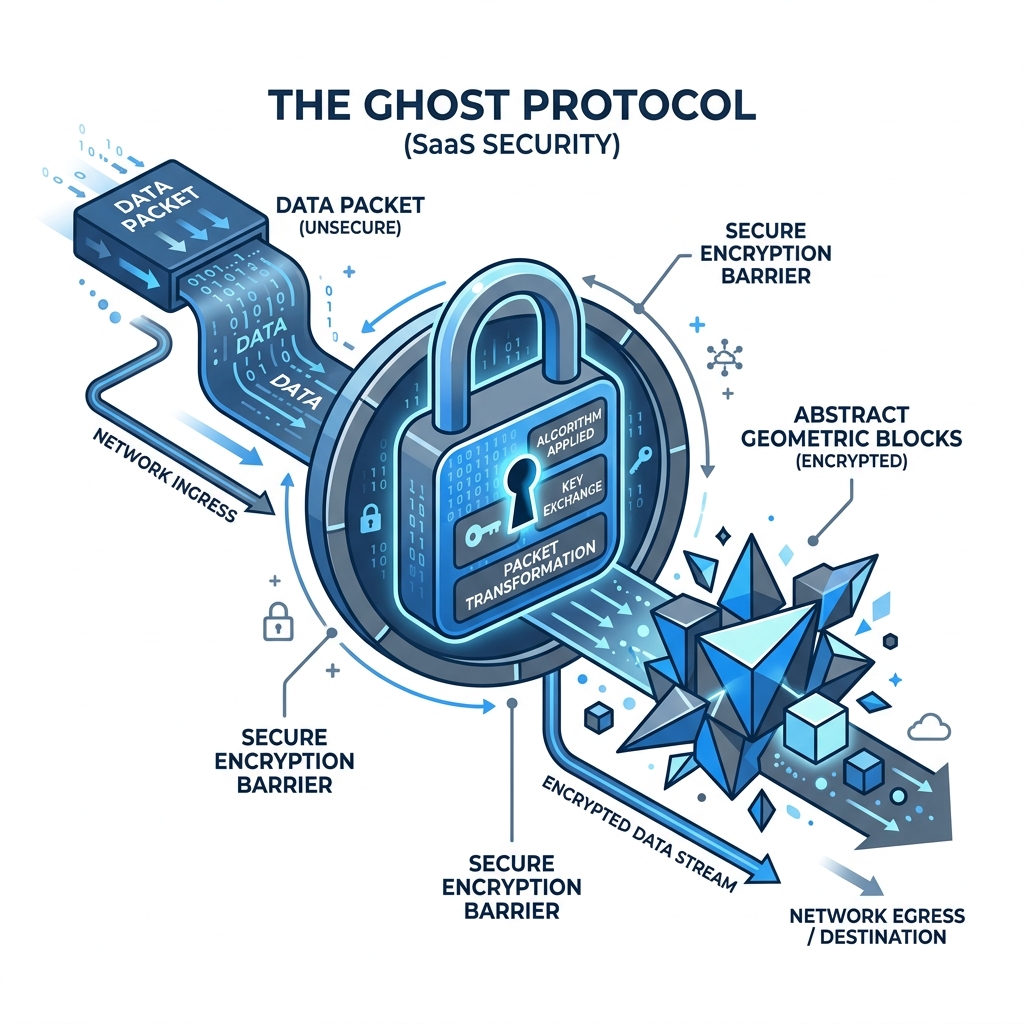
Every OAuth credential KeepCloud stores is encrypted using AES-256-GCM — an authenticated encryption algorithm that ensures both confidentiality (credentials can't be read without the key) and integrity (any tampering with stored data is immediately detectable).
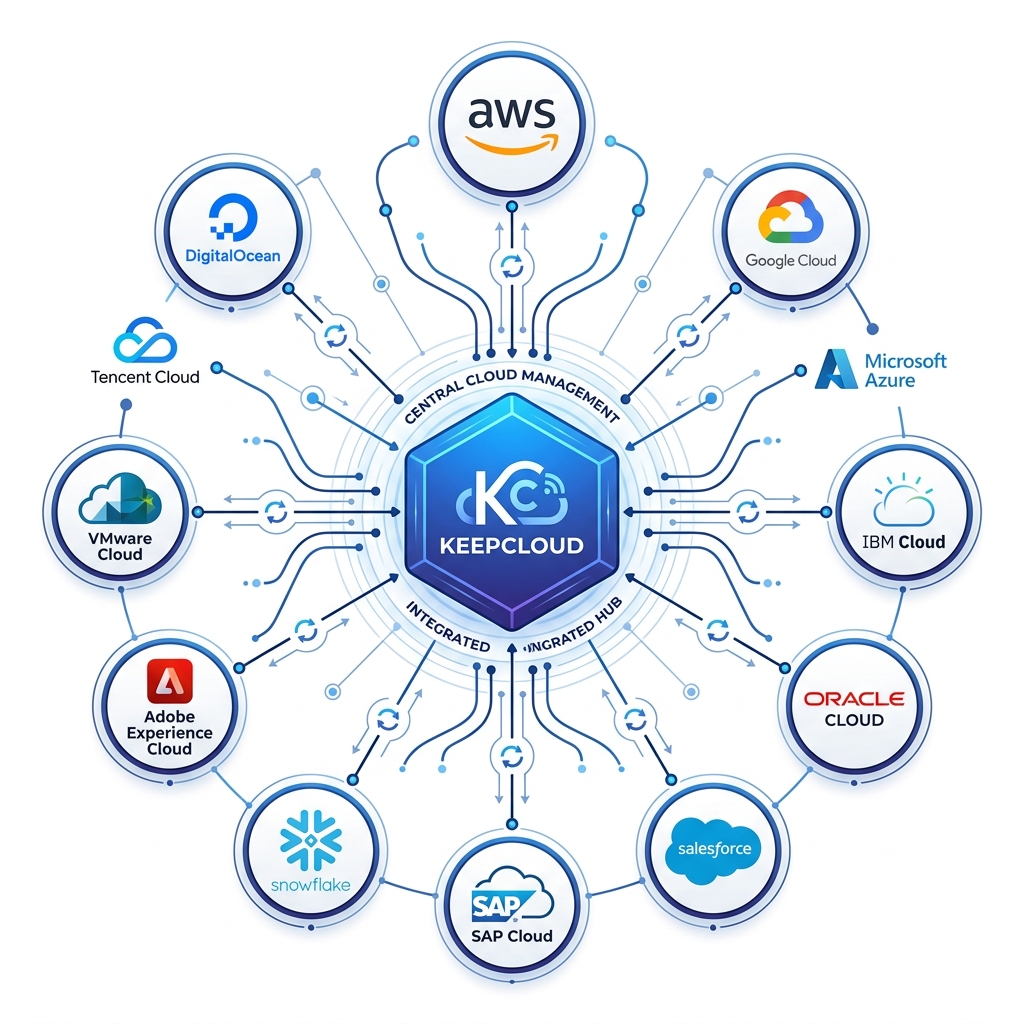
When you connect your Google Drive, OneDrive, or Dropbox to KeepCloud, the OAuth authorization flow produces a short-lived access credential and a longer-lived refresh credential. These credentials are effectively keys to your cloud storage — and storing them insecurely would be a critical failure. KeepCloud encrypts them using AES-256-GCM before they ever touch storage.
What is AES-256-GCM?
AES stands for Advanced Encryption Standard — the symmetric encryption algorithm used in TLS, full-disk encryption (BitLocker, FileVault), Signal, WhatsApp, and virtually every secure communication system in existence. The "256" refers to the key size: 256 bits, or 32 bytes of cryptographic key material. At this key size, a brute-force attack is computationally infeasible with any technology that exists or is expected to exist in the foreseeable future.
GCM stands for Galois/Counter Mode — a mode of operation for AES that provides two properties simultaneously: confidentiality (the ciphertext reveals nothing about the plaintext to anyone without the key) and integrity authentication (any modification of the stored ciphertext — even a single bit — is detectable and causes decryption to fail immediately).
This second property is crucial. An attacker with write access to KeepCloud's credential store cannot meaningfully modify an encrypted credential to produce a different valid decryption. The GCM authentication tag mathematically binds the ciphertext to the encryption — tamper with either, and the decryption attempt throws an error immediately.
"AES-256-GCM doesn't just hide your credential from an attacker — it makes it detectable if anyone has touched it. Even one changed bit fails the authentication check."
The nonce: why encrypting the same credential twice produces different ciphertext
A critical design detail in KeepCloud's encryption is the use of a unique random nonce (number used once) for every single encryption operation. Each time a credential is encrypted, a fresh 12-byte random value is generated and used as input to the encryption algorithm alongside the key and the plaintext.
This means that if you disconnect and reconnect the same Google Drive account twice, the two stored encrypted values will be completely different — even though they wrap the same underlying credential. This property prevents an attacker from learning anything useful by comparing stored values across multiple encryption operations.
The nonce is not secret — it's stored alongside the ciphertext and is needed for decryption. What makes this safe is that its uniqueness, not its secrecy, is what matters. As long as the same nonce is never reused with the same key, the cryptographic security of GCM mode is preserved.
What is stored, exactly
In KeepCloud's credential store, each connected cloud account record contains only the encrypted payload (the nonce + ciphertext combination, base64-encoded) and the associated account metadata (provider name, your KeepCloud user ID, and the provider account's public email address). The plaintext credential is never written anywhere. The encryption key itself is stored separately from the credential store — it lives in KeepCloud's secure server environment configuration, not in the database.
When credentials are decrypted
Credentials are decrypted in memory only at the moment they are needed — to make an API call to Google Drive, OneDrive, or Dropbox. The decryption happens, the API call is made, and the plaintext is immediately released from memory. It is never logged, never written to disk, and never transmitted to any other system. If the decryption fails (because the authentication tag doesn't match — indicating possible tampering), the request is rejected immediately with an error.
Credential refresh and re-encryption
OAuth access credentials are short-lived — typically they expire after an hour. When a credential expires, KeepCloud uses the longer-lived refresh credential to automatically obtain a new access credential from the provider. The new access credential is then encrypted with a fresh nonce and the old value in the credential store is replaced atomically. You never need to re-connect your cloud accounts because of credential expiry — KeepCloud handles the refresh cycle silently and continuously.
What happens if KeepCloud's database is compromised
In the extremely unlikely event that KeepCloud's credential store were accessed by an unauthorized party, what they would find is a set of base64-encoded encrypted payloads — meaningless without the separately-held encryption key. The encryption key is not stored in the database and is not co-located with the credential records. Without the key, the AES-256 ciphertext is computationally unbreakable with any known technology.
This is defense-in-depth: even if one layer of security fails, the cryptographic layer remains intact.
Figure 1 — Your cloud credential travels from provider to encrypted storage without ever existing in plaintext on disk.